NDAA Compliance and Defense Innovation
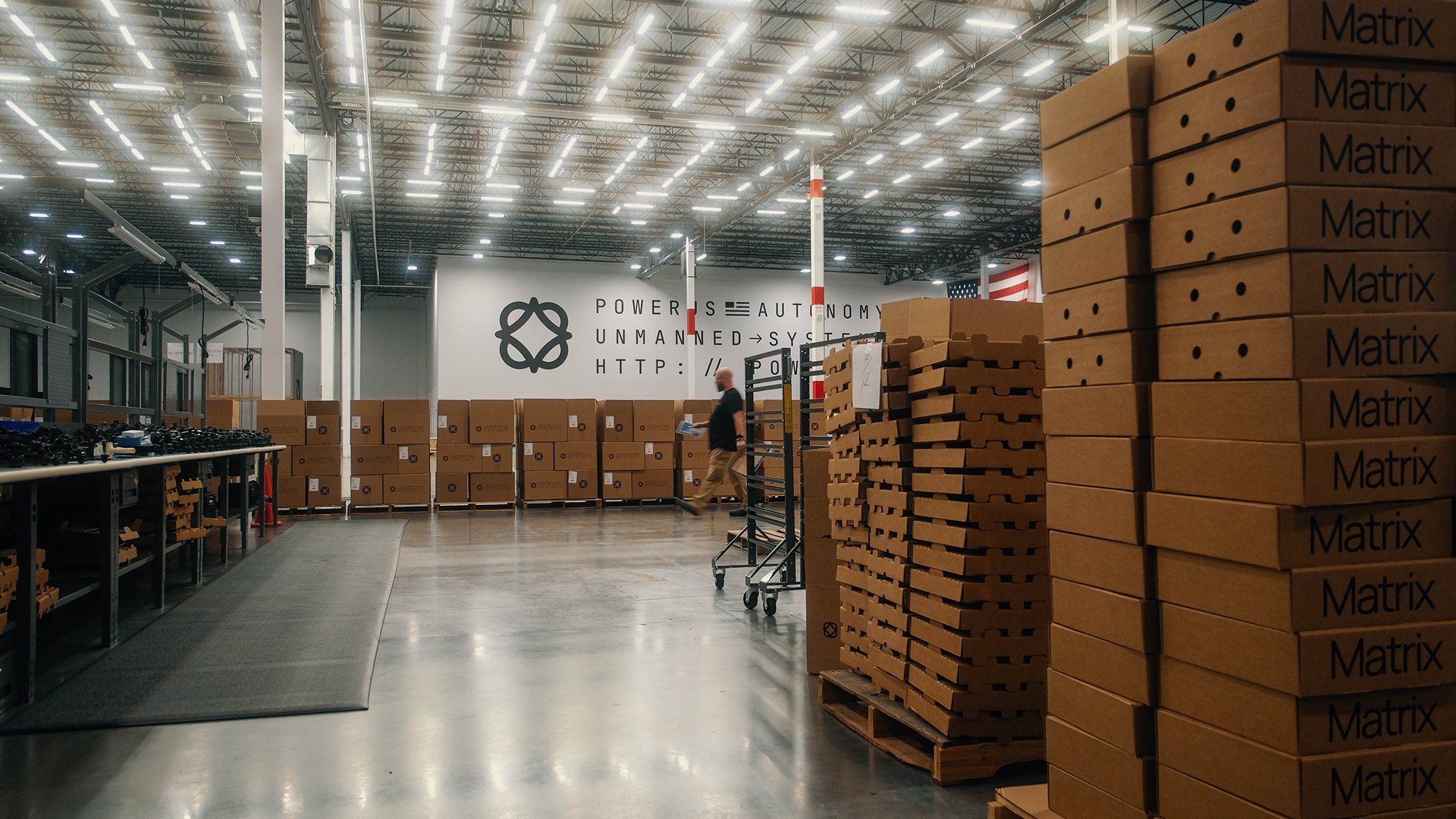
Domestic manufacturing and NDAA compliance are not barriers to innovation—they are catalysts for building stronger, more secure defense capabilities.

The National Defense Authorization Act (NDAA) establishes critical requirements for defense technology, prioritizing domestic manufacturing, security, and supply chain resilience. These regulations are often viewed as constraints on innovation, but in reality, they represent an opportunity to build better defense systems.
The NDAA Imperative NDAA compliance ensures:
- Supply Chain Security: Domestic production eliminates vulnerabilities to foreign supply chain disruptions
- Technology Control: Critical defense technology remains under U.S. control and oversight
- Industrial Base Strength: Consistent investment in domestic defense manufacturing sustains America's technological edge
- Rapid Evolution: Shorter iteration cycles for secure platforms enable faster adaptation to emerging threats
Innovation Within Compliance Leading defense contractors have demonstrated that NDAA compliance accelerates rather than inhibits innovation:
- Domestic teams operate in secure environments enabling rapid prototyping
- Direct collaboration with military stakeholders ensures technology meets actual operational needs
- Feedback loops are tightened, reducing time from concept to deployment
- U.S.-based manufacturing enables rapid scaling and fielding
Strategic Advantage Nations that master the art of compliant innovation gain decisive strategic advantages. By building defense systems that are simultaneously secure, domestic, and cutting-edge, the U.S. maintains its position as the global leader in autonomous defense technology.